
Author: Ahsante Segwagwa
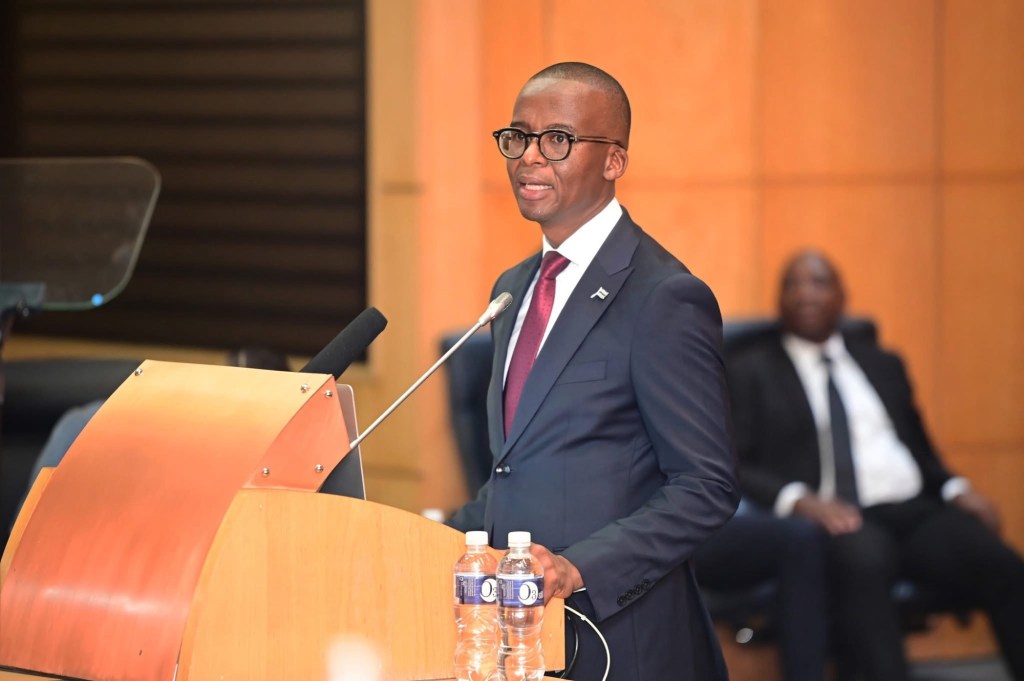
Botswana has recently felt an uptick in financial crimes, with the government’s very own ministers being the face of these cases. The public has lost faith in their ministers amidst the sea of discoveries of the ministers fattening their own pockets at the expense of the public. In the recent budget speech, which was administered by the Vice President, NdabaGaolathe, he mentioned a special office to strengthen further efforts to do away with corruption and financial crime, more probably as a result of the audits the new administration has undertaken, having uncovered mountains of corruption within the government.
The National Coordination Office on Anti Money Laundering, Combating the Financing of Terrorism, and Proliferation Financing. The establishment of this office is in preparation for the Eastern and Southern Africa Anti-Money Laundering Group Mutual Evaluation scheduled for January 2027. The establishment of the office is to bolster the fight against financial crime, ensure accountability and transparency in the handling of these matters, and strengthening the government’s response to crime with use of financial risk management. It will additionally ensure compliance with the FATF requirements. Botswana was removed from the Financial Action Task Force Grey List in 2021 after following the FATF requirements. These requirements are global standards made for fighting corruption and money laundering.
Had the government’s earlier efforts failed? The answer is simply that the integrity of those efforts was called into question. Due to its direct reporting line to the president’s office, the Directorate on Corruption and Economic Crime has lost credibility despite reporting an increase in corruption cases. Ndaba Gaolathe emphasized the necessity of giving the Directorate on Corruption and Economic Crimes greater autonomy in order to address the nation’s consistent drop on the Global Corruption Index.
Despite the aforementioned, multiple legislative efforts havebeen set forth to ensure accountability and proper oversight of financial matters or crimes. This includes the Public Procurement Act, the Public Finance Management Act, and the Financial Reporting Act. Although these Acts exist, they are ineffective on the ground despite appearing well on paper. A review and rectification of these documents will be underway in the 26/27 financial year. The review is an effortto align this legislation with international standards.
This office’s primary goal is to centralize all of these functions, harmonize our local laws addressing financial crimes with those of the international community, and essentially streamline the efforts that have already been established and institutionalized to begin working for the country. Notwithstanding the efforts made, the directorate on corruption and economic crime, and the various acts established to combat financial crime in Botswana, the progress is sluggish and deficient, creating gaps that corrupt actors exploit in an attempt to enrich themselves. This office’s creation aims to bridge that disparity.
 The Current Connect Student Club